- Good News

Christopher Ponting
Sep 14,2020
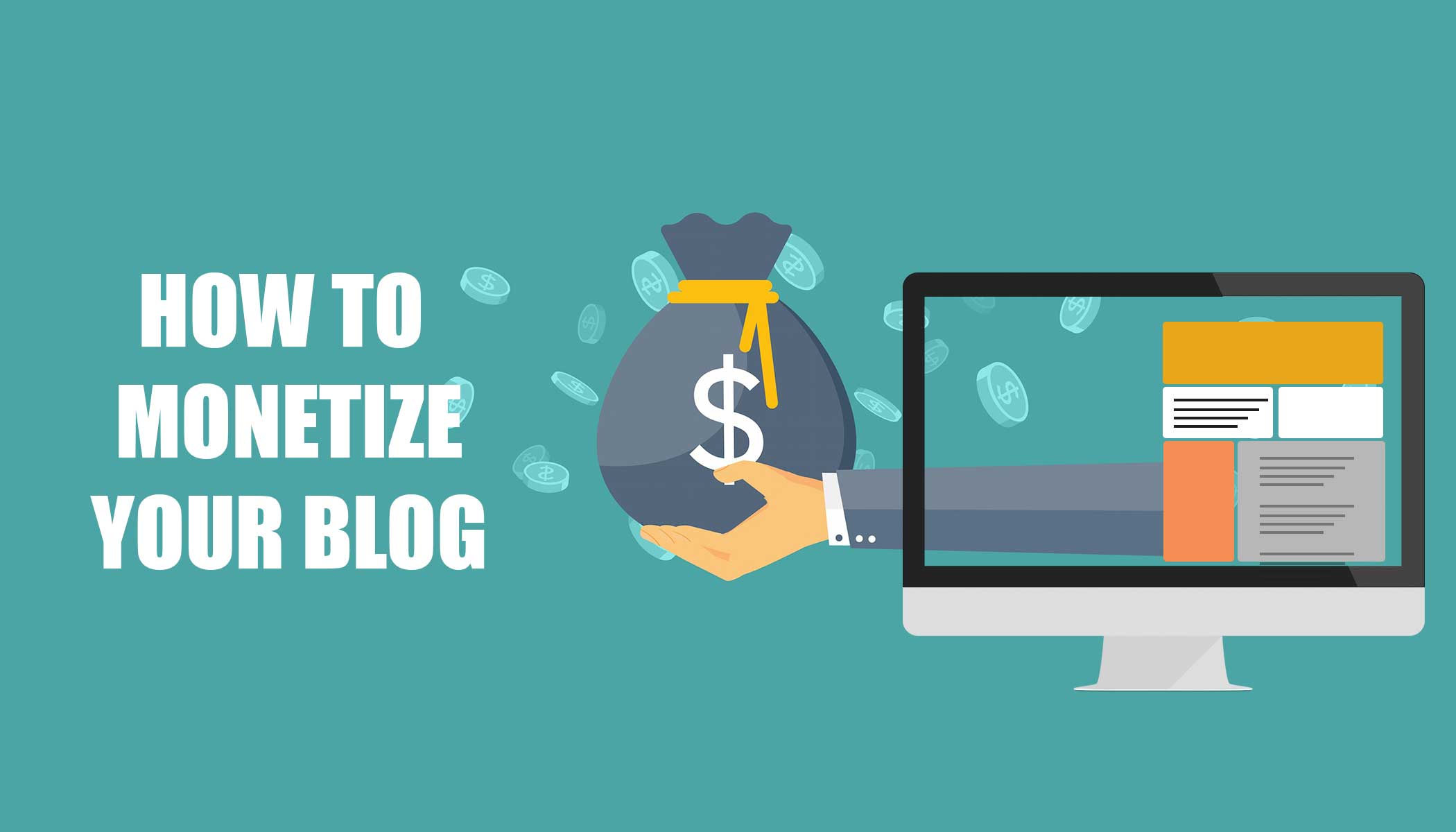
8 Ways to Monetize a Blog
Here’s the number one thing that a newbie asks before or after creating a blog: “How can I make money off my blog?”

Here are the different ways you can monetize a blog.

1. Ads

Ads are perhaps the most ubiquitous form of income generator when it comes to most websites or blogs. In a nutshell, you earn money by displaying ads in your blog.

Google Adsense remains the most popular ad network although there are others, like Clicksor and Bidvetiser. You’ll encounter terms like PPC (Pay Per Click), CTR (Click Through Rate), and CPC (Cost Per Click) as you learn more about ads for websites and blogs.

2. Offer Services

Blogs serve as a great platform for promoting your services. For example, if you’re a copywriter, you can offer paid services to write for other people or blogs.

You can create a “Work with Me” page where you can list out your services which can include your rates for freelance blogging or coaching sessions for budding copywriters.

3. Paid Reviews and Sponsored Posts

This happens when a business reaches out to you to review their product on your website. You are not necessarily required to give them a positive rating, and it’s ethical practice to disclose any sponsored reviews to your site visitors.

Some businesses may opt to sponsor a specific post instead and request for a link back to their official website.

4. Lead Generation

We covered this in a previous article discussing Passive Income Ideas. In a nutshell, a lead is personal information from an individual who expressed interest in a company’s service or product.

This interest comes in various ways and forms: signing up for a job application, filling in personal details to download a free e-book or program, getting discounts by signing up for coupons, and more.

Here’s one way of generating income for leads. Let’s say your website covers Nursing review tips and guides. When people sign up for your free newsletter or guides, you can include links or buttons that will lead to Nursing Review center websites who may pay you for the referral.

5. Affiliate Marketing

Ever seen those links below those YouTube videos you watch?

For example, popular YouTube site, Linus Tech Tips (LTT), provides content around tech mainly covering PC components and gadget reviews. In the video description section, you’ll see links to the products or services mentioned in the video.

When you click on them, it will direct you to the company’s page or website where you can buy it (e.g Amazon, eBay, etc). And if you buy the product through the link, the LTT channel will earn a commission from the purchase.

It’s the same with blogs. The author(s) may include links to services or products that they personally recommend or use and earn via commission for each successful sale from a visitor who clicked through their link.

6. Paid Live Workshops/Webinars

The idea is basically the same as attending a regular training seminar or workshop but you do the presentation online. For example, if you want to know more about direct email response copywriting, you can sign up for live workshops from experts on that field.

They will teach you via live stream or some sort of pre-recorded material that you can access on the web after you pay for it.

7. Offering Premium Content

You probably tried a game or two on your mobile phone, right? Notice how most options and levels are locked the first time you start the game?

If you want to access those, you’ll be asked to purchase it with real money or have you watch a video advertisement so the creator can still get paid in some way.

Companies call this option, “Freemium”, which is a pricing strategy that provides the service/software/media/content for free initially but will require you to pay for additional services and premium features.

You can apply the same pricing strategy for the service or product you offer. Hook them in with freebies and useful content then offer premium features or materials for the paid option.

8. Selling your own Products

If you’re an expert in a particular field or have your very own product (e.g., Social Media Manager, published an e-book), you can sell them online.

For a social media manager, for example, she can create an online course that will show others how to be one for a fee.

If you have an e-book, you can sell it through online platforms like Amazon and Goodreads, or even simply market it through your network in Facebook or your website.

3 Comments
-
 FatimaSep 14, 2020 10:57perfect
 -
 Mr. Everything NewsSep 14, 2020 10:22Monetize
 -
 AEGYO NEWSSep 14, 2020 09:25thnkkuu
Check Out More Good News

Quote of the Day
Jul 18,2026


"Quezon" Official Trailer | Reaction Video
Aug 25,2025




.jpeg)











Comments